Cross Creek Animal Medical Centre

Blog

why is my cat breathing fast

Why Is Your Cat Breathing Fast?

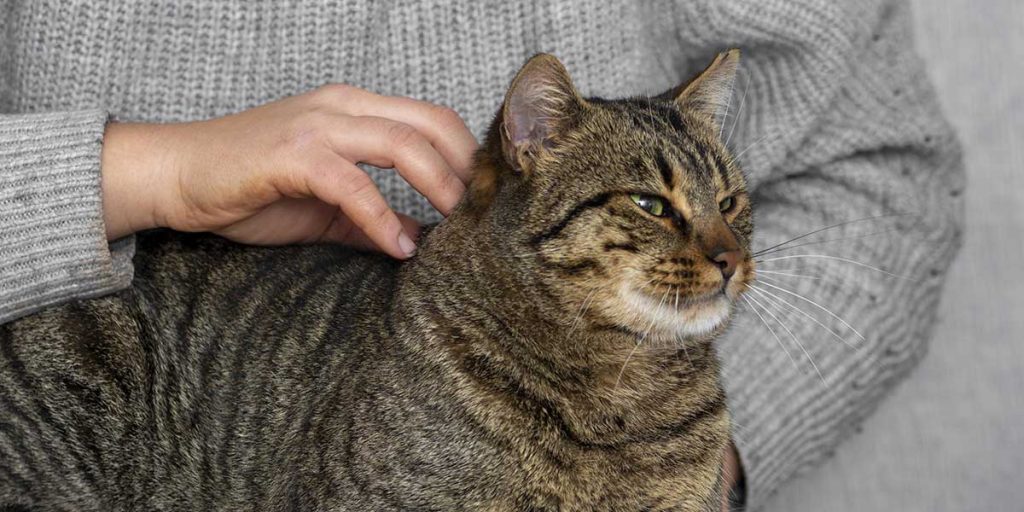
When your cat curls up beside you, are you taken aback by their loud, rapid breathing? There are some dangerous symptoms associated with heavy breathing in cats, so it’s wise to address the problem right away.  If you’re wondering, “Why is my cat breathing fast?” we have the answer. Discover common causes of rapid breathing in cats and how to care for out-of-breath felines below.  Common Reasons Why Your Cat Is Breathing Fast Cats usually take around 30 breaths per minute. If your furry companion is breathing much faster than this rate, it could be due to several issues, including: Monitor their breathing to see if it improves. In some cases, the symptoms subside within a few minutes and aren’t a major concern.  Is their respiratory rate still faster than normal while sleeping? That’s when fast breathing in cats is an emergency. Bring your kitty to an animal hospital right away for a full work-up and diagnosis.  You should also seek emergency veterinary care if they show signs of a traumatic injury or ingest a foreign object or toxic substance. How a Veterinarian in Tampa, FL, Supports Local Cat Owners No pet owner wants their fur baby to be sick. However, if your cat is feeling under the weather, turn to a trusted, local veterinarian for answers. Veterinary teams will do everything in their power to help a sick kitty recover.  That doesn’t mean that you should only bring your cat to the vet when they’re sick. Local pet owners should contact a veterinarian in Tampa, FL, as soon as they bring their four-legged friend home. Cats need routine veterinary care like vaccinations and general wellness exams to live long, healthy lives. Keep up with annual visits and don’t hesitate to contact the vet when your cat’s physical or behavioral health changes.  How To Treat Rapid Breathing in Cats After asking their vet, “Why is my cat breathing fast?” most owners will follow up with “How can you treat it?” The answer depends on the cause.  For instance, rapid breathing stemming from a respiratory infection may improve with a course of antibiotics. A fast respiratory rate due to heatstroke calls for cooling the cat down. If the problem is due to heart disease in cats, your kitty may need to undergo dietary changes and begin various medications.  Consult a vet for personalized treatment options.  Bring Your Cat to Cross Creek Animal Medical Centre for Superior Care  Why is my cat breathing fast? What can I do if my cat stops eating? Is coughing normal for cats? These are among the many questions we at Cross Creek Animal Medical Centre hear from pet owners. Count on our team to give your feline the best possible care at every stage of life. We offer preventive care like vaccinations, as well as advanced therapies to treat a pet’s heart issues and other serious diseases. To book an appointment at our Tampa clinic, call (813) 994-6929 today. 

Why Is Your Cat Breathing Fast? Read More »

your cat has a seizure

What To Do If Your Cat Has a Seizure

Whenever your cat has a sudden medical emergency like a seizure, it’s easy to panic. Seeing your beloved pet in distress is difficult enough without the added stress of not knowing what to do if your cat has a seizure. The most important thing is to remain calm and keep the cat safe until you can get help from a veterinarian in Tampa, FL. Knowing how to protect the animal until you can get professional care can make a huge difference in the outcome.  Recognizing and Responding to Seizures in Cats The symptoms of seizures in cats can vary and last for seconds or minutes. Some cats collapse and shake, while others may stare into space, drool, or make unusual chewing motions. You might also notice: Much of the best advice on what to do if your cat has a seizure contradicts common advice. Avoid putting anything into the animal’s mouth, and don’t attempt to restrain them.  Instead, seizure first aid for cats should prioritize safety. Stay calm and clear the area of hazards. Dimming the lights and reducing noise can also shorten the episode. Time the seizure and note the details, including the cat’s behavior and what was happening before it started. After a seizure, many cats seem disoriented, restless, or tired. This “post-seizure” phase can last for several hours. Gently comfort them, then call the veterinarian or head to the emergency clinic.  When To Seek Emergency Care for Cat Seizures Some situations require emergency care for cat seizures. Call your veterinarian if: Prompt veterinary treatment for cat seizures can prevent serious complications and protect brain health. Common Causes of Cat Seizures Feline seizures are often a symptom of an underlying issue. Epilepsy is a common culprit, but don’t overlook toxins, head injuries, or even cat food allergies. Metabolic issues such as low blood sugar or infections can also trigger them.  The Importance of Preventive Care From a Veterinarian in Tampa, FL Keeping your cat healthy goes beyond managing crises; it’s about building a solid foundation through general pet wellness and preventive care. Regular check-ups catch issues early and enable you to take preventive steps like vaccinations and dental cleanings to ward off health issues.  Establishing a relationship with a veterinarian in Tampa, FL, also helps you spot subtle changes in your pet’s health and know when something is an emergency. Seeing the same doctor regularly allows for faster, more accurate decisions if your cat ever has a health emergency. Cross Creek Animal Medical Centre Is Here To Help Knowing what to do if your cat has a seizure gives you confidence in the moment, but finding a good veterinarian for ongoing care is just as important. If you ever have concerns or need guidance, Cross Creek Animal Medical Centre is here to help. Call (813) 994-6929 to schedule an appointment.

What To Do If Your Cat Has a Seizure Read More »

skin allergies in dogs

What Causes Skin Allergies in Dogs?

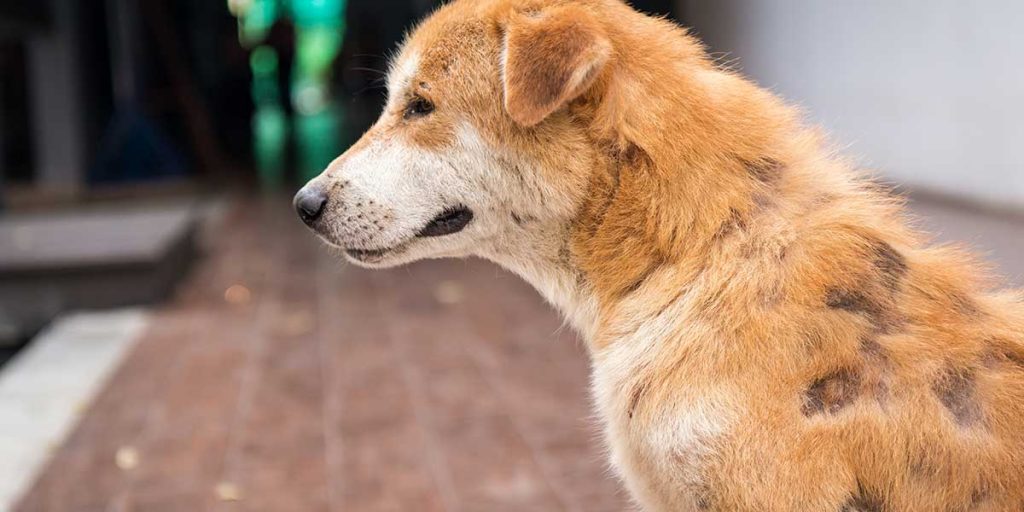
What Causes Skin Allergies in Dogs? If you ask a veterinarian what causes skin allergies in dogs, they may suggest several possible irritants. Understanding the causes of skin itchiness, redness, and inflammation is key to managing contact allergens in household environments. Discover some common environmental triggers for canine dermatitis and the importance of treating your dog’s allergies.  Why Bring Your Dog to a Veterinarian in Tampa, FL, for Routine Care? Every dog owner in Hillsborough County should have a reliable veterinarian in Tampa, FL, that they can turn to. Veterinary care teams keep canines healthy from the time they are young puppies until they become senior dogs. Preventive care is crucial, as dogs need various vaccines throughout their life and may develop health problems as they age.  Annual vet check-ups allow dogs to stay up to date on their vaccines and give pet owners the opportunity to discuss any new health concerns. For example, if your dog is constantly scratching their ears and the skin underneath is red or flaky, your vet can evaluate the area and recommend treatment plans.  Common Causes of Canine Dermatitis Although not every animal will have an allergic reaction, many pet allergens can irritate their skin. Rashes, itchiness, hair loss, and redness are common symptoms of canine dermatitis. But what causes skin allergies in dogs? The top culprits include: Give your dog the proper medication to prevent the signs of flea allergy dermatitis in pets. Avoiding seasonal pollen and mold allergies in canines can be more difficult. Be wary of certain environmental triggers and try to limit your dog’s exposure if you notice an allergic reaction.  For example, if there is a lot of pollen around your favorite dog park each spring, your pet may have an allergic reaction. Let them exercise in an area with minimal pollen to reduce the risk of skin irritation.  How To Treat a Dog’s Allergy Symptoms Veterinarians may recommend a few different treatment options for dogs dealing with skin allergies. Various medications are available to reduce itchiness, prevent infections, and ease inflammation. Anti-itch sprays and medicated shampoos provide some relief after the animal comes in contact with a skin irritant or is exposed to an environmental allergen.  What if a dog’s skin rash is related to the food they eat? Identifying food allergies in senior dogs and young pups alike can be a challenge. If you recently changed your dog’s diet and notice their skin becoming red or itchy, they may be allergic to one of the ingredients in their food.  Your vet may recommend a hypoallergenic diet for your pet to try for a few weeks. If their skin condition doesn’t improve, the reaction may not be due to their food.  Give Your Dog Top-Notch Care at Cross Creek Animal Medical Centre  Knowing what causes skin allergies in dogs can help you identify triggers and limit your pup’s exposure. However, you’ll still need a good vet standing by if they develop other health issues. Bring your fur baby to Cross Creek Animal Medical Centre for superior preventative and emergency care.  Call (813) 994-6929 today to make an appointment for your dog. 

What Causes Skin Allergies in Dogs? Read More »

when should i take my dog to the vet

When Should You Take Your Dog to the Vet?

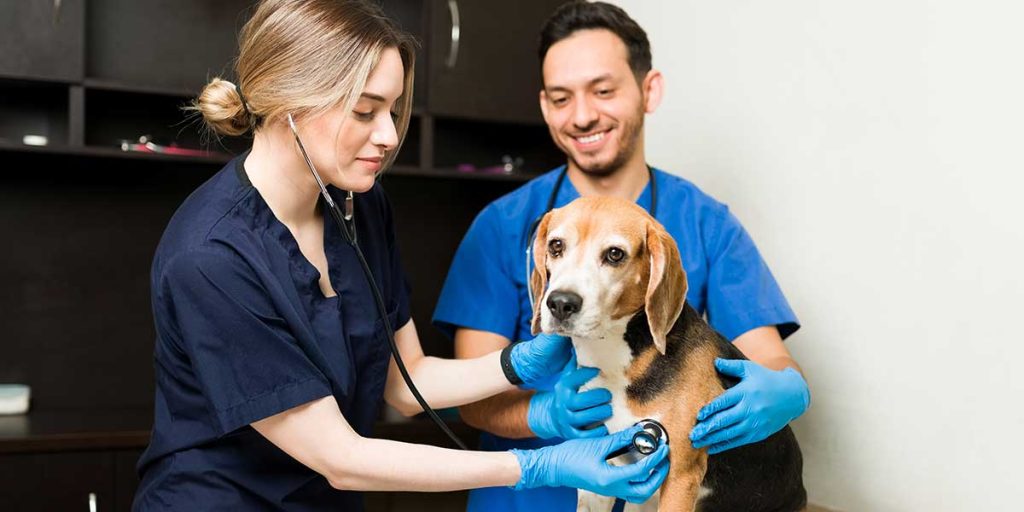
When Should You Take Your Dog to the Vet? You want your four-legged friend to live a long, healthy life. Veterinarians help make that possible by providing basic vaccines as well as emergency veterinary care. If you’re wondering, “When should I take my dog to the vet?” you’ve come to the right place.  Our team at Cross Creek Animal Medical Centre is here to break down certain scenarios that require a vet visit. Don’t hesitate to come to our clinic if you need a trusted veterinarian in Tampa, FL.  Bring Puppies to the Vet More Frequently Are you the proud owner of a new puppy? Expect to schedule multiple vet appointments throughout the first few weeks of their life. Puppies generally receive a series of vaccinations from the time they are six weeks old up until they are four months old.  Don’t skip these appointments, as vaccinations protect your dog from various viruses and diseases. If you choose to spay or neuter your puppy, these procedures often require a separate appointment during their first few months of life.  Make Annual Preventive Health Checkups When should I take my dog to the vet once they become an adult? Every adult dog should go to the vet once a year for preventive health checkups. A yearly wellness exam ensures that your dog is healthy by checking for any underlying issues, such as: Every dog should visit the vet once a year for a comprehensive exam. Senior pets may need semi-annual exams, as they are more prone to chronic health issues. If you notice any unusual behavioral changes in your pet, schedule an urgent vet visit to rule out certain health problems.  Prioritize Veterinary Care in Emergency Situations Look out for various warning signs that your pet has a severe illness. Bring them to a vet right away if they experience any of the following emergency symptoms: Don’t ignore any of these severe illness signs, as you may jeopardize your pup’s health even more. Emergency vet visits are also necessary if the dog sustains any traumatic injury, such as broken bones or excessive bleeding.   It’s in your best interest to find an animal clinic that offers all of these services. This way, you don’t have to waste time searching for a veterinarian in an emergency and can quickly bring them to a team you trust.  Bring Your Dog to Tampa’s Trusted Veterinary Clinic When should I take my dog to the vet for emergency treatment? Which vaccinations are available during regular checkups? At Cross Creek Animal Medical Centre, we can answer these questions and more.  Our team is committed to providing top-notch care to animal patients and educating their owners on common health concerns. To schedule an appointment, give us a call at (813) 994-6929 today. 

When Should You Take Your Dog to the Vet? Read More »

what to do if your cat eats chocolate

What To Do If Your Cat Eats Chocolate

What To Do If Your Cat Eats Chocolate You may like to indulge in a sweet treat from time to time, but don’t let your curious cat follow suit. Chocolate is an enjoyable dessert staple for humans, but it can be toxic to cats and may lead to an urgent trip to the veterinarian. Learn what to do if your cat eats chocolate so you can keep them as healthy as possible.  Be Mindful of Chocolate Toxicity in Cats While chocolate can satisfy your sweet tooth, it’s potentially toxic to cats. The caffeine and theobromine in chocolate can alter a feline’s nervous system and send it into overdrive. These compounds could cause serious heart problems and digestive issues, among other systems.  Every pet parent should recognize the dangers this sweet treat poses to animals and take extra precautions. Keep chocolate products out of your cat’s reach to minimize the risks.  If one small milk chocolate shaving ends up on the ground and your cat eats it, it may not have a significant impact on their health. However, if they lap up a carton of chocolate pudding, it could be a toxic dose.  Recognize the Signs of Chocolate Poisoning If you’re wondering what to do if your cat eats chocolate, monitoring their health becomes paramount. Ingesting large amounts of chocolate products could lead to a case of caffeine or theobromine poisoning. Watch for the symptoms of chocolate poisoning, including: Time is of the essence when you have a cat who eats an unhealthy amount of chocolate. If you see them consume any type of chocolate, don’t wait for symptoms to appear before you seek veterinary treatment. For pet owners who don’t witness their cats eating foods they shouldn’t, they’ll need to take action as soon as symptoms appear.  Seek Emergency Veterinary Care If you ask an expert what to do if your cat eats chocolate, they will tell you to bring them to the vet as soon as possible. The longer the chocolate stays in their system, the more long-term damage it may cause. A feline that consumes anything other than natural cat food or other vet-approved products will need to quickly expel the substance for their health and safety.  Let your vet know what type of chocolate the cat ate and how much of it. Tell them about any symptoms your pet’s been experiencing so they have a full picture of the problem and can create a personalized treatment plan. In most cases, vet-induced vomiting is the best way to minimize the effects of chocolate poisoning.  Never try to induce your cat’s vomiting on your own. A professional veterinarian should always perform this medical intervention and monitor your pet’s health. Depending on the amount ingested and the severity of the symptoms, your cat may need overnight monitoring.  Other types of supportive treatment include fluids to prevent dehydration and activated charcoal to aid their digestive tract.  Keep an Eye on Your Cat Going Forward Now that you know what to do if your cat eats chocolate, you might be wondering what steps to take after you bring them home from the animal hospital. Continue to monitor them and let your vet know about any new or lingering symptoms. Be sure to give them plenty of love and attention as they recover.  Aside from that, your top priority should be preventing future instances of chocolate poisoning. Consider where and how your pet got into the chocolate, and take the appropriate steps to prevent them from eating more. You may need to: Proper preventive measures ensure that your feline friend won’t experience another unpleasant, life-threatening bout of chocolate poisoning.  Visit Cross Creek Animal Medical Centre for Top-Notch Veterinary Care A qualified vet will know what to do if your cat eats chocolate or ingests other toxic substances. Bring your four-legged friend to Cross Creek Animal Medical Centre for comprehensive veterinary care in any situation. Our compassionate team is here for all of your pet’s health needs, including preventative care and emergency medical treatment.  To schedule an appointment, call our office at (813) 994-6929. 

What To Do If Your Cat Eats Chocolate Read More »

dog dental exam

What Is Involved in a Dog Dental Exam? 

What Is Involved in a Dog Dental Exam? Did you know that your dog needs dental checkups just like you do? It’s true. Canines require regular dental care to stay healthy and avoid conditions that cause pain, make it difficult to eat, and contribute to tooth loss. A dog dental exam is more than just a quick look at your pup’s teeth. It’s a complete oral health assessment designed to catch early indicators of dental disease and decay and keep your dog’s mouth in great shape. To give you a better idea of what to expect, here’s what really happens during a professional dog dental exam from a veterinarian in Tampa, FL. The Oral Health Assessment Every dog dental exam begins with a thorough oral health assessment. The veterinarian checks for plaque, tartar buildup, gum redness, and signs of infection. They’ll also look for broken teeth, oral growths, or other abnormalities that might cause pain or discomfort. This initial evaluation helps your vet determine whether your dog needs a professional dental cleaning or further diagnostics, such as dental X-rays. It’s also an excellent opportunity to discuss your pet’s oral care routine (or lack thereof!) and learn ways to do more at home to keep their mouth healthy. Dental X-Rays and Deeper Evaluation Not all dental problems are immediately visible. That’s where dental X-rays come in. These images allow your vet to see what’s happening beneath the gums with your pet’s tooth roots and jawbone and identify hidden infections or fractures. Professional Dental Cleaning Under Anesthesia If your vet finds significant dental issues like tartar or gum inflammation, they’ll recommend a professional dental cleaning. Most dogs get general anesthesia for dental procedures like deep cleanings. Although it may sound extreme, using a general anesthetic to allow the animal to sleep during the process is actually the safest way to ensure their comfort and safety. With anesthesia, your veterinarian can thoroughly clean every tooth surface, including below the gumline where bacteria hide, without hurting or stressing your dog. This is key to periodontal disease prevention. This condition can lead to pain, tooth loss, and even systemic health issues affecting the heart or kidneys. Polishing, Fluoride, and Aftercare After removing the brown or yellow calculus deposits from your dog’s teeth, the vet will polish and smooth out the enamel surfaces, making it harder for plaque to stick to them. A sealant treatment helps provide extra protection. Before your pup wakes up, the team performs one last inspection to ensure everything looks healthy. Once your dog is home, you’ll receive guidance on brushing techniques, dental chews, and when to schedule the next dog dental exam. Healthy Teeth for a Healthy Pet  Regular veterinary dental care isn’t just about keeping your dog’s breath fresh (although it helps). It keeps your furry best friend happy, healthy, and free from preventable pain. If it’s been a while since your pet’s last dog dental exam, find a vet and schedule one today. Or, call Cross Creek Animal Medical Centre in Tampa, FL, to book your dog’s dental appointment.

What Is Involved in a Dog Dental Exam?  Read More »

how often do cats need vaccines

How Often Do Cats Need Vaccines To Stay Healthy?   

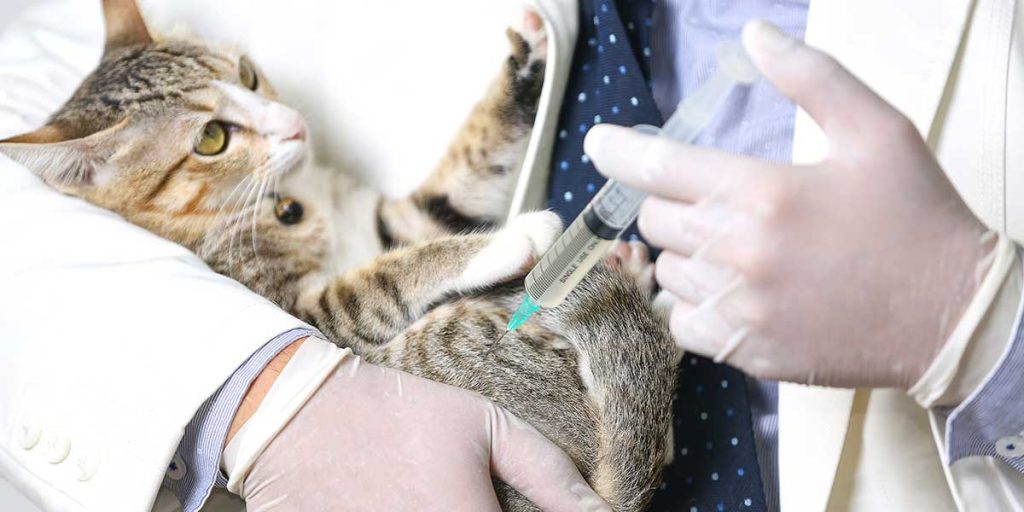
How Often Do Cats Need Vaccines To Stay Healthy?  Cats love to act like they’ve got life handled. But when it comes to staying healthy, especially with vaccines, they count on us. Whether the fabled “Cat Distribution System” has gifted you with a kitten or you have a senior feline who spends their days lounging around in the sun, keeping up with them means fewer scary vet visits later and a lot more snuggles. It’s one of the easiest ways to make sure your cat sticks around for all nine lives. But how often do cats need vaccines? Your veterinarian will provide a personalized schedule, but most cats get their shots as follows. When Do Cats Get Their First Shots? The kitten vaccine timeline typically kicks off at about six to eight weeks with a series of shots to protect against feline distemper and upper respiratory infections. A second round follows at 10 to 12 weeks to strengthen the immune response, with final kitten shots, including rabies protection, given at 14 to 16 weeks.  Around their first birthday, it’s time for boosters. Then it’s shots every one to three years, depending on your veterinarian’s recommendations and your cat’s lifestyle. If you’ve adopted an adult cat with an unknown health history, your veterinarian will likely start a new cat vaccination schedule to ensure they have complete protection against common diseases. The Must-Have Core Vaccines When it comes to giving your pet the right shots, it’s not just about how often cats need vaccines. It’s also about which ones they need. Core vaccines for cats are the shots recommended for every feline, regardless of whether they live indoors or outdoors. These protect against the most common and dangerous diseases, including: These core vaccines are usually given as part of a single combination shot, making the process simpler for you and less stressful for your cat. Extra Protection for Some Cats Some pets need additional shots depending on their lifestyles. Outdoor cats and those exposed to other cats often benefit from feline leukemia virus protection. If you travel frequently and your cat stays in boarding facilities or often spends time in group settings, your pet’s a candidate for the bordetella (kennel cough) vaccination. Why Booster Shots for Cats Matter Even after your cat finishes their initial vaccines, immunity fades over time. That’s why veterinarians recommend booster shots for cats. Additional doses “remind” the immune system how to fight off diseases. If you skip a booster, your cat’s protection starts to fade. It’s not worth the risk. For most core vaccines, boosters are given every one to three years, depending on the vaccine type and your cat’s health. Florida’s Rabies Vaccination Requirements Florida rabies vaccination requirements are strict because rabies is a public health concern. By law, cats must be vaccinated for rabies by the age of four months and kept up to date with boosters. Even indoor cats aren’t totally safe from rabies. It only takes one sneaky bat or a cracked window for trouble to find its way in. Protecting your cat also protects your family. What Happens During a Vaccine Appointment Most vaccination visits are quick and simple; veterinarians typically administer the shots during annual checkups. When you bring your pet in for one of these visits, you can expect the doctor to: Most cats handle vaccines without any issues, though some might experience mild tiredness or soreness at the injection site. Keep Your Cat Healthy at Cross Creek Animal Medical Centre If you’re wondering how often cats need vaccines or it’s been a while since your cat’s last checkup, now’s the perfect time to schedule an appointment. At Cross Creek Animal Medical Centre in Tampa, FL, we know vet visits can stress cats (and their owners) out. That’s why we make vaccines quick, calm, and personalized for your pet’s needs, injecting wellness for long and happy lives. Call for an appointment today, and help your furry bestie live a long and healthy life.

How Often Do Cats Need Vaccines To Stay Healthy?    Read More »

how to find a good veterinarian

How To Find a Good Veterinarian for Your Pet

How To Find a Good Veterinarian for Your Pet Part of being a responsible pet parent is selecting the right veterinarian to maintain their health and comply with vaccination regulations. If you’re new to pet ownership, you may not know how to find a good veterinarian. Hiring the first veterinarian in Tampa, FL, that you encounter isn’t always the best way to get essential pet healthcare.  In this post, we’ll explain what you should look for in a licensed veterinarian and share how to find one for your furry companion.  Essential Characteristics of Qualified Veterinarians Choosing the right vet is similar to finding the best pediatrician for your children. Before learning how to find a good veterinarian, understand the qualities and characteristics to look for in any professional who will be caring for your cat or dog.  Accreditation Animal hospitals accredited by the American Animal Hospital Association take extra steps to ensure that their teams and facilities meet the organization’s rigorous standards across various categories, including: By following AAHA guidelines to maintain accreditation, veterinary practices can provide the highest standard of care possible.  Quality Services Not all veterinary clinics offer the same veterinary services. For instance, some may prioritize preventive care while others provide specialty services, including dentistry, dermatology, and orthopedics. It’s important to review the services a clinic offers to ensure that they can provide the specific care your pet requires.  Accessibility A good veterinarian is accessible to you and your pet. They have hours of availability that work well with your schedule, and the clinic may be near your home or workplace. After-hours emergency visit hours and close parking are also convenient.  Cost and Payment Options Being a pet parent requires taking financial responsibility for your animal. However, your cat or dog may require appointments outside of your regular schedule. If you’re unaware of the animal hospital’s pricing and payment options, a sudden vet visit could catch you off guard.  Any vet you work with should be transparent about the costs of care. Inquire about payment plans, pet insurance acceptance, and other forms of financial assistance to help you prepare for your pet’s healthcare expenses. Tips for Choosing the Ideal Veterinary Clinic Learn how to find a good veterinarian by taking these steps: Get Recommendations Sometimes, word-of-mouth referrals are the key to finding excellent veterinary care. Before taking your pet to a nearby clinic, ask for recommendations from your family, friends, and neighbors. Groomers, local dog trainers, and staff at local shelters may also be aware of reputable veterinarians in your area. Consider the Animal Hospital’s Location Accessibility is a crucial veterinary characteristic, so you must review the location of each vet clinic on your shortlist. Consider how far each facility is from your home. If your pet doesn’t enjoy long car rides, it’s best to consider a hospital closer to your property.  Also, check the clinic’s hours of operation. Do they offer services outside of your daily work schedule? Are weekend and after-hours emergency services provided? Review the Veterinarian’s Professional Credentials and Experience Hands-on experience and industry knowledge are must-haves for reputable veterinarians. The vet you choose to care for your pet’s health should hold an accreditation from professional organizations, such as the AAHA and the American Veterinary Medical Association. These certifications confirm that the veterinary clinic consistently meets high standards of care.  When interviewing veterinarians, ask about their certifications and level of experience. The right vet will have the training, knowledge, and expertise necessary to handle everything from behavioral issues to routine checkups.  Do you intend to travel internationally with your pet? If so, the vet you choose must also hold accreditation from the U.S. Department of Agriculture. With this credential, they can provide the health certificate your pet will need to travel.  Ask the Right Questions Learning how to find a good veterinarian requires asking questions to help narrow your search. So, what questions should you ask? You can gauge whether a particular veterinarian is the right fit for you and your pet by asking the following: When talking to the veterinarian, also take the time to speak with other staff members. You can tell if the staff seems friendly and helpful, which is another indicator of the facility’s professionalism. Visit the Hospital Without Your Pet First Before deciding where to send your pet for their healthcare needs, visit the hospitals on your shortlist without them. During the tour, inspect the facility’s organization and neatness, as these may indicate the staff’s level of professionalism. Additionally, ask about in-house specialty services, such as ultrasounds and general surgery.  If the facility seems suitable for your beloved pet, bring them with you on your next visit. At this time, you want to see how comfortable the vet is with your pet and vice versa. Some pets experience anxiety or fear when visiting the vet, so it’s essential that your pet feels as comfortable as possible during these visits. Head to Cross Creek Animal Medical Centre for High-Quality Veterinary Care Knowing how to find a good veterinarian is important for your pet’s ongoing care and well-being. Whether you need help handling pet allergies, vaccinations for your cat or dog, specialty care, or physical examinations, you can get what you need at Cross Creek Animal Medical Centre. Our advanced veterinarians offer customized preventive health care and specialty services. Our animal hospital has up-to-date veterinary equipment, allowing us to diagnose and treat conditions in one convenient location. To schedule an appointment with a licensed veterinarian in Tampa, Florida, contact Cross Creek Animal Medical Centre at (813) 994-6929. 

How To Find a Good Veterinarian for Your Pet Read More »

What Pet Owners Need to Know After The Vets / BetterVet Shutdown

Cross Creek Medical Center Welcomes Affected Pet Families The unexpected shutdown of The Vets and BetterVet has left many pet owners searching for reliable veterinary care. With canceled appointments and limited communication from the companies, this situation highlights the importance of having access to your pet’s medical records and establishing care with a trusted provider. In this article, we’ll walk you through what steps to take and how Cross Creek Medical Center is here to support you and your pet. What Happened? The Vets and BetterVet were mobile veterinary services offering in-home care to pet owners across the U.S. Recently, both companies canceled all appointments and appear to have shut down operations entirely. With little warning or information, many clients have been left in a difficult position, especially those with ongoing treatment plans. This disruption serves as a strong reminder of why having a stable veterinary provider and access to your pet’s medical history is so important. Why Your Pet’s Medical Records Matter Your pet’s medical records are the foundation of their ongoing healthcare. They include vaccination histories, past illnesses, diagnostic results, prescriptions, and more. Without this information, a new veterinarian may need to start from scratch — repeating tests or procedures that add stress to your pet and extra cost for you. Most importantly, access to your pet’s records ensures continuity of care and can be critical in emergency situations. How to Retrieve and Transfer Records If you were using The Vets or BetterVet, here are some steps to help secure your pet’s records: A Welcome Offer Just for You To support families affected by the shutdown of The Vets/BetterVet, Cross Creek Medical Center is offering a $25 discount for new clients. This offer can be used toward any service or product during your first visit. We understand how important your pet’s health is to you and are here to make your transition as seamless as possible. Call us at (813) 994-6929 or fill out our online form to schedule an appointment.  Your Pet Deserves Stability and Care You Can Trust Situations like this highlight the value of having a dependable veterinary team. At Cross Creek Medical Center, we’re committed to delivering compassionate, expert care tailored to your pet’s needs. If you’ve been impacted by the closure of The Vets or BetterVet, we welcome you to join our family. Let us help you ensure your pet’s care continues, with confidence, comfort, and support. Contact us today to schedule your visit or to learn more. We’re here for you and your four-legged family member every step of the way.

What Pet Owners Need to Know After The Vets / BetterVet Shutdown Read More »

How do you clean pet’s ears?

Cleaning your pet’s ears on a regular basis can help reduce infections, foul odors, head shaking and scratching and ear trauma. How to Clean Pet’s Ears Use a quality ear cleaning solution and place a small amount into the ear and allow to run down into the ear canal.  You can not put in too much, as excess will drain out. Massage the pet’s ears that the base, near the skull or head.  Do this for about 10-15 seconds.  Allow your pet to shake it’s head.  This will dislodge some of the waxy debris that may be present. Using a tissue paper (think Kleenex), wrap this around your finger and gently insert into the ear canal and wipe out any wax, debris or fluid that is present. Repeat this step until the tissue is coming out dry or clean. Extra Tips From Your Tampa Veterinarian! Do not put anything down into the ear canal unless your veterinarian has instructed you to do so.  Never push q-tips or cotton applicators into the ear canal.  You can use q-tips to clean the folds of the ear flap but not into the canal. Repeat with every bath or every few weeks.

How do you clean pet’s ears? Read More »