
Cross Creek Animal Medical Centre

Blog

Decorative "Ring in 2018" image featuring gold glitter numbers and a paw print in place of the zero.

Your New Year\’s Resolutions for Your Pets

Resolutions don’t have to be ruff….Meow is the time to set your pet up for a Healthy and Yappy 2018. Veterinary Examinations  Every year, every pet.  Ideally twice a year is best.  Our veterinary examination checks your pet from tip of nose to tip of tail and all areas in between.  We look for disease and disorders that you may not have noted and can offer recommendations for a healthy pet.  We look for signs of dental disease, weight loss (or more likely gainL), joint disease, lumps, bumps, muscle changes, coat and fur issues, etc. Preventive Lab Test The most basic of lab tests would be a heartworm and fecal test for both dogs and cats.  However, we practice a preventive wellness lifestyle.  This means we want to know how your pet is doing on the inside.  How are the organs and body functioning?  In order to perform a physical exam of the inside of the body, blood and urine testing is combined with the fecal/heartworm testing.  This creates a unique picture of your individual pet’s health. This is great for over the time monitoring as we compare each new year’s results with the previous year’s results and can trend changes that are significant for your pet.  Preventive lab tests also let us detect changes that may be occurring before your pet is clinical and before you may even know there is an issue. Dental Care Dental disease is by far one of the most commonly diagnosed disorders among our pets.  By 3 years of age, 85% of all pets have some degree of dental disease.  Flip a lip and take a look at your pet’s teeth, but really look at the back teeth.  The canine teeth and premolars build up most of the plaque, tartar and disease. The gums can become red and inflamed. There may be an odor.  Bark Breath and Tuna Tongue are not normal.  Only a professional veterinary dental assessment and treatment with anesthesia will provide proper dental care.  At home preventive care can slow the formation of disease, but our professional services are the best, once the plaque and tartar has formed.  Most pets need this service once a year.  Some pets can go 2-3 years between cleanings while for others its every 6 months. Weight Control There is an obesity epidemic in pets just as with their human counterpoints.  This is a fact.  It is very easy for our pets to consume more calories than their body needs and burn less due to more sedentary life styles.  We love our pets and many times we show that love with treats and goodies and extra food.  Proper nutrition with balanced ingredients and a basic exercise program is needed. We can guide you with prescription weight loss and weight management diets with exact calorie requirements.  Regular weight checks can be done to make sure we are on a good schedule of weight control. Parasite Preventives One of the most important things you can do for your pet is to be sure they are on proper parasite preventive medications.  These medications are designed to prevent heartworm disease, flea and tick infestation.  Some of the preventives also prevent ear mites and help to control intestinal parasites.  Most of these are administered on a monthly basis, but some extend from 3-6 months long, depending on the type used.  It is far easier and much less expensive to prevent these parasitic infestations than to treat them.  Also, by preventing flea infestation and tick bites , you are also preventing the most common type of tapeworms and tick borne diseases (Lyme, ehrlichiosis, anaplasmosis, etc). Vaccinations Proper vaccinations have reduced so much needless suffering from preventable disease.  Rabies vaccination, as required by law is very important as this disease is deadly to both pets and people.  Dog vaccinations for distemper, hepatitis, parvo, bordetella, influenza, leptospirosis and lyme disease may be needed depending on your dog’s lifestyle.  Cat vaccinations for rhinotracheitis, calici, panleukopenia and feline leukemia may be needed depending on your cat’s lifestyle.  Vaccine titers can be performed to better determine if your pet needs a particular vaccination booster.   Our hospital use purified vaccines with fewer ingredients that have minimal side effects and allow for less volume of vaccine to be administered.  This improves the safety factor of our vaccines greatly. Make a New Year’s Resolution for your pet’s optimal care and keep it going all year long.  Then next year, rinse and repeat.

Your New Year\’s Resolutions for Your Pets Read More »

Amber bottles and fresh herbs representing holistic and complementary pet wellness care.

Essential Oils – 101 (Pets & People)

What Are Essential Oils? Lavender, lemon, black pepper, peppermint…If you\’ve ever enjoyed these scents, then you have experienced the wonderful aromatic qualities of essential oils.  These naturally occurring, volatile aromatic compounds are found in the seeds, bark, stems, roots, flowers, and other parts of plants. Essential oils provide plants with protection against threats and play a role in plant pollination. In addition to their plant benefits and being beautifully fragrant to people, essential oils have long been used for food preparation, beauty treatment, and health-care practices. How Do I Use Essential Oils? Essential oils are used for a very wide range of emotional and physical wellness applications. They can be used a single oil at a time or in complex blends in one of three methods: Aromatic Certain essential oils, when diffused, can be very stimulating, while others can be calming and soothing. Diffusing essential oils can also cleanse and purify the air of unwanted odors. Topical Essential oils are easily absorbed by the skin and can be safely applied topically. Internal Certain essential oils have a rich culinary history and can be used as dietary supplements for targeted wellness. Essential oils are both exciting and promising when it comes to taking care of your own and your family’s health. Whether you’re applying essential oils topically, enjoying the aromatic benefits through diffusing, or taking essential oils internally, the positive effects of essential oils are boundless. That’s why you’ll want to ensure that the essential oils you are using are capable of delivering on their promise. You’ll want to make sure that you are choosing essential oils for their potency and their purity. Are you looking for a more natural way to a healthy self and healthy pet?  I bet you are!  Most people at these times are looking to take care of their body and that of their pet with less drugs and chemicals and more natural solutions.  In addition to recommendations for Acupuncture, herbal therapies, food therapies, etc, Dr. Hodge highly recommends Essential Oils.  He recommends them so highly, that he has become a Wellness Advocate for the use of Essential Oils.  If you are interested in what these wonderful gift of nature can do for you and/or your pets, then contact Dr. Hodge by clicking this link for Essential Oils.  You can review information about Essential Oils, but let Dr. Hodge help you set up any orders you may desire or for more information.  Contact about Essential Oils.

Essential Oils – 101 (Pets & People) Read More »

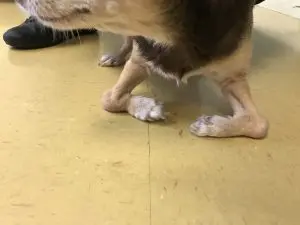
Veterinary team observing a dog's stance and paws for a limb and mobility check.

The Truth About Pet Birth Defects | Daily Treat Feature by Dr. Hodge

Dr. Hodge was recently featured on Rover.com as a guest blogger discussing the importance of Pet Birth Defects Awareness. What causes pet birth defects? Most of the causes are unknown. Abnormalities to the mother’s metabolism, trauma or extreme body temperature variations can cause birth defects. Infections and exposure to chemicals or drugs can also cause. Some are more common in certain breed of pets as well, indicating there may be an inherited component. Some of the common defects may be noted at birth or shortly thereafter. Cleft palates, umbilical hernia, inguinal hernia, and limb deformities can be readily visible. Other abnormalities that may be subtler, such as heart murmur, will require veterinary examination. Some defects such as retained testicles or liver shunts may not be seen until the pet is maturing or older, which may also be true of heart murmurs. All newborn pets should be presented to the veterinarian shortly after birth for a physical exam to evaluate them for birth defects that may not be visible or known to the owner. The veterinarian can also discuss treatment options if there are abnormalities noted. Treatments for common pet birth defects Cleft palate: Puppies and kittens with cleft palates should be fed with a bottle that has a long nipple that allows the food to go beyond the cleft into the back of the throat, but in front of the voice box. A feeding tube inserted into the stomach may be needed for severe cleft defects until surgery can be performed. A recheck of the pet’s weight should occur daily to ensure the pet is getting the proper amount of nutrition and growing. Surgery can be performed at 3-4 months of age. Lack of proper nutrition can quickly exacerbate a pet’s condition and may result in mortality. Limb Deformities: Since newborns don’t walk, this may not be an issue until they start trying to crawl or walk. Ensuring that the newborns get access to the mother for nursing or bottle-feeding may be needed. The ultimate treatment depends on the limb(s) affected and will change as the pet grows. Padded braces or splints may be needed. Carts with wheels can allow pets to be mobile. These can be made for front or rear limb deformities. Surgery can assist some pets with limb deformities. Self-trauma needs to be prevented as these pets may harm themselves trying to move around or walk. Most other pet birth defects will require aid from the veterinarian. Deformities of the eyes, nose, palate, heart defects, hernias, retained testicles, liver shunts, etc will require veterinary specific care and treatment. This may be a combination of medical and surgical. Home care to maintain a high quality of life will vary and depends on the defects present. Other care is the same as for those pets without birth defects and includes proper nutrition, housing, access to fresh water at all times, proper sanitation, deworming and vaccinations, heartworm preventives, social enrichment and proper handling by all. This is especially important in teaching the very young how to properly handle their new family members. Click here to read Dr. Hodge’s post on Rover.com and explore other great articles!

The Truth About Pet Birth Defects | Daily Treat Feature by Dr. Hodge Read More »

Hurricane Season is Here!

Remember, during a disaster what’s good for you is good for your pet, so get them ready today. If you leave your pets behind, they may be lost, injured – or worse. Never leave a pet chained outdoors. Plan options include: Create a buddy system in case you’re not home. Ask a trusted neighbor to check on your animals. Identify shelters. For public health reasons, many emergency shelters cannot accept pets. Find pet friendly hotels along your evacuation route and keep a list in your pet’s emergency kit. Locate boarding facilities or animal hospitals near your evacuation shelter. Consider an out-of-town friend or relative Locate a veterinarian or animal hospital in the area where you may be seeking temporary shelter, in case your pet needs medical care. Add the contact information to your emergency kit. Have your pet is microchipped and make sure that you not only keep your address and phone number up-to-date, but that you also include contact info for an emergency contact outside of your immediate area. Call your local emergency management office, animal shelter or animal control office to get advice and information. If you are unable to return to your home right away, you may need to board your pet. Find out where pet boarding facilities are located. Most boarding kennels, veterinarians and animal shelters will need your pet’s medical records to make sure all vaccinations are current. If you have no alternative but to leave your pet at home, there are some precautions you must take, but remember that leaving your pet at home alone can place your animal in great danger! Food. At least a three day supply in an airtight, waterproof container. Water. At least three days of water specifically for your pets. Medicines and medical records. Important documents. Registration information, adoption papers and vaccination documents. Talk to your veterinarian about microchipping and enrolling your pet in a recovery database. First aid kit. Cotton bandage rolls, bandage tape and scissors; antibiotic ointment; flea and tick prevention; latex gloves, isopropyl alcohol and saline solution. Including a pet first aid reference book is a good idea too. Collar or harness with ID tag, rabies tag and a leash. Crate or pet carrier. Have a sturdy, safe crate or carrier in case you need to evacuate. The carrier should be large enough for your pet to stand, turn around and lie down. Sanitation. Pet litter and litter box if appropriate, newspapers, paper towels, plastic trash bags and household chlorine bleach. A picture of you and your pet together. If you become separated, a picture of you and your pet together will help you document ownership and allow others to assist you. Add species, breed, age, sex, color and distinguishing characteristics. Familiar items. Familiar items, such as treats, toys and bedding can help reduce stress for your pet.

Hurricane Season is Here! Read More »

Canine Influenza Virus Notice

Chief Veterinary Officer American Kennel Club This notice is being sent out to provide up-to-date and accurate information about the Canine Influenza Virus to help prevent the spread of the virus to healthy (unexposed) dogs. The information provided is not intended to alarm dog owners and handlers. There are recently confirmed cases of the Canine Influenza Virus (H3N2 strain) that was first brought to and identified in Chicago, Illinois in the spring of 2015. The most recent outbreaks concern the following states: Florida, Georgia, and North Carolina. Canine Influenza Virus is an extremely contagious airborne disease that is easily spread among dogs, and in rare instances, can be contagious to cats. If you believe one of your dogs may have contracted the Canine Influenza Virus, immediately isolate it from other animals and contact your veterinarian. Here is some additional information about Canine Influenza Virus and tips for how to minimize the risk and reduce the spread of the disease: Canine Influenza Virus Canine Influenza Virus is spread through: Close proximity to infected dogs(it is airborne and can travel up to 20ft.) Contact with contaminated items (bowls, leashes, crates, tables, clothing, dog runs, etc.) People moving between infected and uninfected dogs 80% of all dogs that are exposed to the virus will contract it The virus lives up to 24 hours on soft surfaces and up to 48 hours on hard surfaces. Some exposed dogs will be subclinical carriers – meaning some dogs will contract and spread the virus without showing symptoms. Dogs show clinical signs within 24-48 hours and can shed the virus for up to 28 days from exposure. Most dogs will completely recover with proper treatment. Dogs that regularly interact with dogs outside of their own family or frequent places where many dogs gather are most susceptible to exposure to Canine Influenza Virus. Symptoms Dry, hacking cough (similar to kennel cough) Lack of appetite Lethargy Discharge from the nose or eyes Fever (normal temperature is 101 – 102) Prevention The best protection is vaccination. There is now a single vaccination for both the H3N2 and H3N8 strains of the virus. The vaccination requires a booster shot two weeks after the initial vaccine. Vaccination provides the best chance of immunity within 7-14 days of booster shot. Isolate sick animals and keep them isolated for up to 30 days after symptoms subside. Practice good sanitation. Use a bleach and water mixture diluted to 1-part bleach x 30 parts water to disinfect common areas such as tables, bowls, leashes, crates, etc. Allow items to thoroughly air dry for a minimum of 10 minutes before exposing dogs to them. Bleach breaks down quickly so solution should be made daily. Keep in mind that bleach becomes inactive in UV light. If mopping use two buckets so as not to cross contaminate areas Wash your hands frequently, ideally between handling different dogs. At the very minimum, hand sanitizer should be used between handling dogs. Use disposable gowns or wipe down clothing and shoes with a bleach solution between dogs or after leaving an area where dogs congregate. Food/water bowls should be made of stainless steel instead of plastic because scratched plastic is hard to fully disinfect. Treatment Treatment of Canine Influenza Virus requires veterinary assistance. If you believe your dog may have Canine Influenza Virus, please contact your veterinarian immediately. Untreated, the illness may progress to pneumonia or other, more serious problems. H3N2 can lead to severe secondary pneumonia which can cause extremely sick dogs with potential fatalities. Most dogs take 2-3 weeks to recover from the illness. Containment Any dog suspected of having Canine Influenza Virus should be immediately isolated from other dogs and should not attend dog shows, day care, grooming facilities, dog parks, or other places dogs gather. Dogs are contagious for up to 30 days once they have started showing symptoms. Contact your veterinarian to let them know that your dog may be showing symptoms of Canine Influenza Virus. If your dog is going to a veterinary hospital or clinic, call ahead to let them know you have a suspected case of Canine Influenza Virus. They may ask you to follow a specific protocol before entering the clinic to minimize the spread of the disease, including waiting in your car until they are ready to examine your dog. Keep sick dogs at home and isolated from other dogs and cats until you are certain the illness has run its course (typically 3-4 weeks). Consideration for Event Venues Use a bleach and water mixture diluted to 1-part bleach x 30 parts water to disinfect common areas including show floors, grooming tables, ring gates, in-ring examination tables and ramps, and x-pens. Allow solution to completely dry (at least ten minutes in order to assure virus has been killed). Bleach breaks down quickly so solution should be made daily. Keep in mind that bleach becomes inactive in UV light. If mopping use two buckets so as not to cross contaminate areas. When wiping down hard surfaces paper towels are preferred over cloth. Consider having two exam tables at every ring so that they can be cleaned and allowed to air dry frequently in between classes. Provide hand sanitizer in each ring and in grooming areas. Exhibitors should consider grooming dogs at their cars instead of using grooming areas where dogs are in very close proximity. Written by Dr. Jerry Klein, a veterinarian in the emergency room at Chicago’s largest veterinary emergency and specialty center. He was personally involved in treating hundreds of dogs sickened by the H3N2 virus during its initial outbreak in Chicago in spring of 2015.

Canine Influenza Virus Notice Read More »

Dark-haired dog with prominent facial whiskers visible around its snout and muzzle.

Why Do Dogs Have Whiskers

This little cutie’s whiskers are hidden under all that fur. But, they are there nonetheless.  Their purpose – sensory organs.  Dog’s whiskers have evolved to detect vibrations, air movement and touch.  These help dogs to be more aware of their surroundings and environment.  Whiskers can also serve as communication devices.  Dogs can move their whiskers forward and backward to signal to other dogs a state of fear, or a strength of confidence. While it is not painful and will not cause a dog distress, we recommend that you do not trim, pluck or remove dog’s whiskers as they serve as an important source of information.

Why Do Dogs Have Whiskers Read More »

Small brown dog peeking out from beneath a cozy red blanket, showing signs of nervousness or anxiety.

Is your dog trying to tell you something?

Does your dog tremble at the sound of fireworks, sirens, thunder or other loud noises? They could be suffering from \”noise aversion\”. You may have never heard of noise aversion, but based on studies at least one-third of all dogs in the United States suffer from noise aversion. It\’s a real and serious medical condition that when left untreated, progresses to a more severestate – not to mention how upsetting it is to see your best canine friend in distress whenever loud noises happen! Noise aversion causes your dog to suffer from anxiety and fearduring noise events and creates a strain on the bond you and your family have with your beloved best friend. Great news: help is available! SILEO is the first and only FDA-approved treatment for noise aversion in dogs. This unique gel medication has been developed specifically to treat the fear and anxiety experienced by dogs during the occasions of loud noises. If you think your best canine buddy may suffer from noise aversion, please call us at (813) 994-6929. The 4th of July and loud fireworks will be here before you know it, so call soon!

Is your dog trying to tell you something? Read More »

Small brown puppy with dark facial markings sleeping peacefully on a mat.

Do Dogs Dream?

Of course dogs dream.  If you\’ve ever noticed a sleeping dog have shallow, irregular breathing, followed by muscle twitching and eye movements behind closed eyelids, then your dog is dreaming.  The characteristics of sleeping and dreaming are very similar for both dogs and humans.  Dogs tend to get to dreaming much faster than people, typically within 20 minutes of dozing off.  What we don\’t know , is what do dogs dream about?  Running, playing, eating, fun times or serious times?  Perhaps someday, we will bet let in on the secret of doggie dreams.

Do Dogs Dream? Read More »

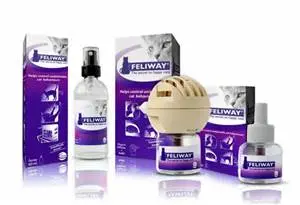
Full Feliway range including spray and diffuser, carried to support feline stress relief at Cross Creek Animal Medical Centre.

Getting Your Cat to the Vet

It’s time to take your cat to the veterinarian.  We know cats aren\’t the best travelers and the car ride and visit can be stressful. You can make this a much more pleasant experience by following these simple helpful tips and using Feliway. Ideally, the cat carrier should be out in the open at all times.  To make the carrier a positive experience, you can feed you cat in the carrier and place soft bedding in the carrier.  If you are not able to leave the carrier out at all times, then at least one week prior to visit: Put the cat carrier in a room where your cat spends a lot of time and prop open the door so she can explore it. Place familiar soft bedding in the carrier to encourage your cat to spend time in the carrier. Place treats, catnip or toys in the carrier through out the week. Every day, spray or wipe the carrier with Feliway.  Feliway contains a reassuring pheromone that helps your cat feel safe and secure. The day of the visit: Spray or wipe the inside of the carrier with Feliway 10 minutes before putting your cat in the carrier.  This will allow the alcohol to evaporate.  Also, spray a towel that you\’ll use to cover the carrier. Put a treat in the carrier to entice your cat to enter it willingly. If your cat doesn\’t enter the carrier willingly, remove the top of the carrier and place your cat in the bottom half and calmly replace the top. Place the towel that you sprayed with Feliway over the carrier so your cat can\’t see out.  Leave the towel on the carrier until the veterinarian is ready to examine the cat or the cat is willing to walk our of the carrier on its own, in the exam room. The return home from the veterinarian:  Reapply Feliway to the carrier and towel in the exam room. As soon the cat is in the carrier, place the towel over it until you have returned home. If you have multiple cats at home, leave the returning cat in the carrier for a few minutes to see how all the cats react.  When everyone is calm and peaceful, let the cat out of the carrier. Give treats or affection to your cat as she gets home to associate good things with her carrier and the car ride.  Feliway is a synthetic copy of the natural facial pheromone that cats use to mark their areas as safe.  Cats recognize the pheromone in Feliway, which helps them feel calm, safe and secure.  Feliway is clinically proven to help reduce stress-related behaviors due to travel such as excessive meowing, vomiting or eliminating.  Feliway can also help reduce or eliminate common behavioral issues such as urine spraying and ventricle scratching.  For more information, ask us how Feliway can help your cat.  This article is made possible by Ceva Animal Health.

Getting Your Cat to the Vet Read More »

Gray cat receiving a routine wellness exam with a stethoscope at a veterinary clinic.

Heart Disease, People and Pets

  Do you or someone you know have heart disease?  Is there a diagnoses of valvular disease, congestive heart failure, pulmonary hypertension, etc? Does your pet or someone\’s pet you know have heart disease?  Did you know that there are similarities and differences in the way cats and dogs -vs- humans have heart disease? My own dog has congestive heart failure with pulmonary hypertension and valvular insufficiency.  The valvular insufficiency started first, then progressed to the congestive heart failure and pulmonary hypertension.  This has occurred slowly over many years.   His heart disease has been treated at each stage of the disease and additional medications added as needed.  Over the years, he has had lots of lab tests, chest x-rays, ECG\’s, Echocardiograms, etc done to diagnose and monitor his disease.  As of the writing of this blog, he is 17 years old.  Not the young, spry puppy he once was, but still enjoying life as much as is possible for a 17 year old Chihuahua. I posed quite a few questions above, but they can be easily answered by reading the following post.  Human-vs-Dog/Cat Cardiac Disease Let me know if any of your pets have heart disease, how they are being managed or if you would like us to perform a cardiac evaluation for your pet if you live in our area. Dr. Timothy Hodge

Heart Disease, People and Pets Read More »