Published: October 23, 2025 | Reviewed: October 23, 2025
How Often Do Cats Need Vaccines To Stay Healthy?
Cats love to act like they’ve got life handled. But when it comes to staying healthy, especially with vaccines, they count on us.
Whether the fabled “Cat Distribution System” has gifted you with a kitten or you have a senior feline who spends their days lounging around in the sun, keeping up with them means fewer scary vet visits later and a lot more snuggles. It’s one of the easiest ways to make sure your cat sticks around for all nine lives.
But how often do cats need vaccines? Your veterinarian will provide a personalized schedule, but most cats get their shots as follows.
When Do Cats Get Their First Shots?
The kitten vaccine timeline typically kicks off at about six to eight weeks with a series of shots to protect against feline distemper and upper respiratory infections. A second round follows at 10 to 12 weeks to strengthen the immune response, with final kitten shots, including rabies protection, given at 14 to 16 weeks.
Around their first birthday, it’s time for boosters. Then it’s shots every one to three years, depending on your veterinarian’s recommendations and your cat’s lifestyle.
If you’ve adopted an adult cat with an unknown health history, your veterinarian will likely start a new cat vaccination schedule to ensure they have complete protection against common diseases.
The Must-Have Core Vaccines
When it comes to giving your pet the right shots, it’s not just about how often cats need vaccines. It’s also about which ones they need.
Core vaccines for cats are the shots recommended for every feline, regardless of whether they live indoors or outdoors. These protect against the most common and dangerous diseases, including:
- Feline Distemper (Panleukopenia): The feline distemper vaccine protects against a contagious virus that causes severe vomiting, diarrhea, and even death, especially in kittens.
- Feline Herpesvirus (FHV-1) and Calicivirus (FCV): These viruses cause upper respiratory infections that spread quickly between cats.
- Rabies: Rabies is always fatal to cats, and it can spread to people. That’s why every state, including Florida, requires this vaccine.
These core vaccines are usually given as part of a single combination shot, making the process simpler for you and less stressful for your cat.
Extra Protection for Some Cats
Some pets need additional shots depending on their lifestyles. Outdoor cats and those exposed to other cats often benefit from feline leukemia virus protection. If you travel frequently and your cat stays in boarding facilities or often spends time in group settings, your pet’s a candidate for the bordetella (kennel cough) vaccination.
Why Booster Shots for Cats Matter
Even after your cat finishes their initial vaccines, immunity fades over time. That’s why veterinarians recommend booster shots for cats. Additional doses “remind” the immune system how to fight off diseases.
If you skip a booster, your cat’s protection starts to fade. It’s not worth the risk. For most core vaccines, boosters are given every one to three years, depending on the vaccine type and your cat’s health.
Florida’s Rabies Vaccination Requirements
Florida rabies vaccination requirements are strict because rabies is a public health concern. By law, cats must be vaccinated for rabies by the age of four months and kept up to date with boosters.
Even indoor cats aren’t totally safe from rabies. It only takes one sneaky bat or a cracked window for trouble to find its way in. Protecting your cat also protects your family.
What Happens During a Vaccine Appointment
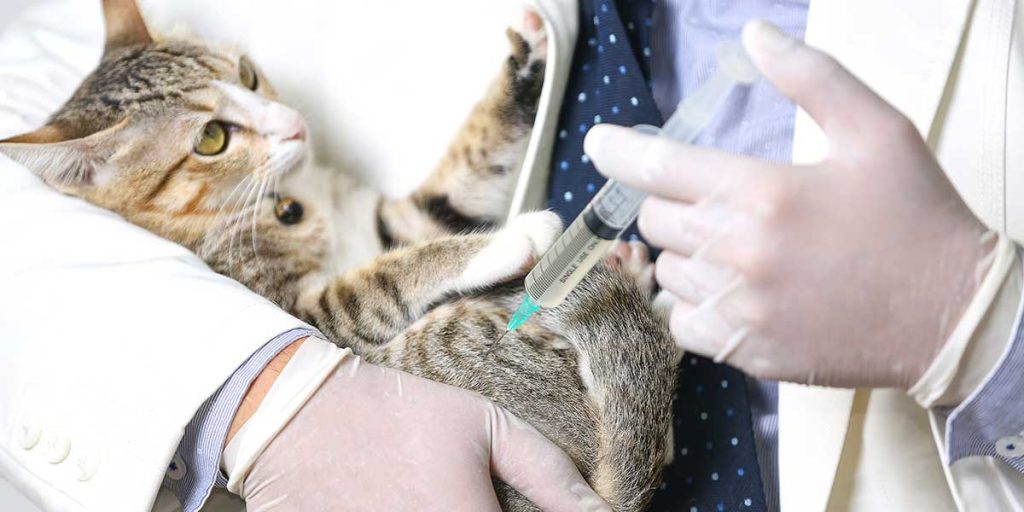
Most vaccination visits are quick and simple; veterinarians typically administer the shots during annual checkups. When you bring your pet in for one of these visits, you can expect the doctor to:
- Perform a complete physical exam
- Review your cat’s medical and vaccine history
- Administer the appropriate vaccines according to the cat vaccination guide
- Discuss aftercare and any possible side effects
- Answer your questions about how often cats need vaccines and whether they need any additional care
Most cats handle vaccines without any issues, though some might experience mild tiredness or soreness at the injection site.
Keep Your Cat Healthy at Cross Creek Animal Medical Centre
If you’re wondering how often cats need vaccines or it’s been a while since your cat’s last checkup, now’s the perfect time to schedule an appointment.
At Cross Creek Animal Medical Centre in Tampa, FL, we know vet visits can stress cats (and their owners) out. That’s why we make vaccines quick, calm, and personalized for your pet’s needs, injecting wellness for long and happy lives. Call for an appointment today, and help your furry bestie live a long and healthy life.