Cross Creek Animal Medical Centre

Blog

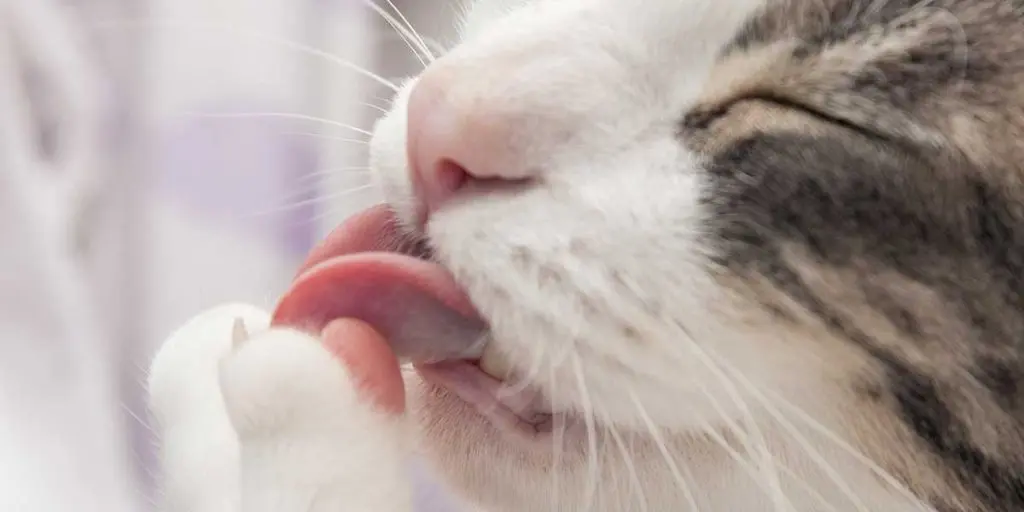
A close-up view of a cat licking its paw near its lower mouth, highlighting potential bottom lip swelling concerns.

Why Your Cat’s Bottom Lip Is Swollen and How To Treat It

Why Your Cat’s Bottom Lip Is Swollen and How To Treat It You reach down to scratch your cat under the chin, and something looks off. Their bottom lip is puffy and discolored, making you wonder whether it is time to see a veterinarian in Tampa. If you are wondering why your cat’s bottom lip is swollen, several conditions could be responsible. Cross Creek Animal Medical Centre explains the possible causes and next steps. What Causes a Swollen Bottom Lip in Cats? Several health conditions can cause swelling in and around a cat’s lower lip. The area may look like a small bump or a crusty patch. Possible causes include: The appearance and accompanying symptoms can help your veterinarian narrow down the most likely cause. When Eosinophilic Granuloma Complex Is the Cause Eosinophilic granuloma complex is a group of skin conditions linked to an immune response. It can cause raised or ulcerated lesions on the lips or mouth. Some EGC lesions are itchy, causing licking or rubbing. The affected areas may involve the lip and surrounding skin, sometimes causing drooling or visible crusting. Some may resolve, but persistent or recurring sores need veterinary evaluation because secondary infection may develop. How To Tell if Your Cat’s Swollen Lip Needs a Vet Schedule a veterinary visit if the swelling affects your cat’s appetite, persists, or continues to worsen. Contact your veterinarian if the swelling persists or you are unsure of the cause. Seek emergency care if the swelling worsens rapidly or your cat develops difficulty breathing or collapses. What You Can Do at Home Before a Vet Visit Keep food and water bowls clean, and avoid touching or squeezing the swollen area. Switching from plastic dishes to clean stainless steel or ceramic bowls may also help cats prone to feline acne. These steps may prevent further irritation but do not replace a veterinary diagnosis. How Veterinarians Treat a Swollen Cat Lip Treatment depends on the underlying cause and what the examination shows. The goal is to treat the condition causing the swelling, not the swollen lip alone. How Cross Creek Animal Medical Centre Can Help Your Cat Cross Creek Animal Medical Centre offers diagnostic testing and dental care for conditions that can cause swollen lips. For other sudden health concerns, know what to do if your cat eats chocolate. If your cat’s lip is swollen, call Cross Creek Animal Medical Centre at (813) 994-6929 to schedule a visit in the New Tampa area.

Why Your Cat’s Bottom Lip Is Swollen and How To Treat It Read More »
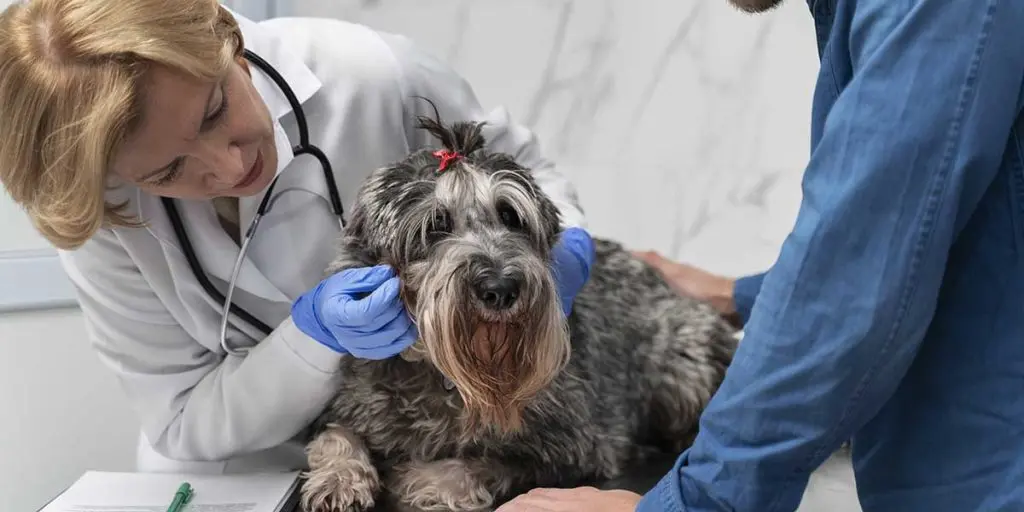
Female veterinarian examine ear of senior fluffy dog during health screening exam at medical clinic with owner present.

A Guide to Senior Pet Health Screenings

Your senior pet may still seem comfortable, but internal aging changes can begin before visible signs appear. Many dogs enter their senior years around age seven, with giant breeds aging earlier, while cats are generally considered senior after age 10. Pets often hide pain, joint discomfort, and organ changes until conditions become advanced, making senior pet health screenings essential. As trusted veterinarians in Tampa, FL, Cross Creek Animal Medical Centre is a proudly independent practice serving North Tampa since 1995, providing proactive, advanced senior pet diagnostics. The Role of Advanced Senior Diagnostics A physical examination guides every senior screening plan. Low-radiation digital X-rays with board-certified veterinary radiologist review help evaluate lung changes and heart size, while ultrasound helps assess internal organ structure and changes in real time. Painless ECG/EKG testing evaluates heart rhythm and can help investigate symptoms such as fainting or heart murmur symptoms. Early screening can help detect conditions such as chronic kidney disease, thyroid disorders, and diabetes, while also helping determine possible causes of why your cat is breathing fast., as well as other signs of potential cardiac concerns. Blood chemistry panels, CBC testing, organ checks of the kidneys and pancreas, and urinalysis help identify early metabolic shifts. Catching Common Senior Health Conditions Early Early screening detects chronic kidney disease, thyroid disorders, and diabetes before they progress. Cats are more prone to hyperthyroidism, while dogs commonly experience hypothyroidism. Tampa’s warm climate supports year-round heartworm transmission, making health screenings important for aging pets. Joint evaluations can identify osteoarthritis early, allowing veterinarians to guide holistic care or orthopedic treatment before mobility declines. Senior pets also become more vulnerable to contagious illnesses as immune systems weaken, making tailored vaccination schedules important. The Cross Creek Animal Medical Centre Advantage Cross Creek Animal Medical Centre has provided senior pet wellness care to North Tampa families since 1995. Dr. Timothy Hodge and senior health care technician Paula Hendrickson, with over 16 years of experience in aging pet care, provide personalized diagnostic support. As an independently owned practice, the clinic follows Well-Managed Practice® values, allowing the team to create individualized care plans without corporate mandates or rigid quotas. Senior wellness packages help make diagnostic bloodwork and diagnostic testing easier to manage. Complete in-house services include professional teeth cleaning, prescription diets, surgery, and state-of-the-art boarding, providing convenient options for your pet’s teeth cleaning needs. Recommended Screening Schedules for Senior Dogs and Cats Senior pet wellness exams every six months help track internal changes early. Between visits, monitor: Whether you need tips on caring for your senior dog or a wellness plan for your aging cat, you can count on us for tailored care and recommendations. Trust Cross Creek Animal Medical Centre With Your Pet’s Golden Years Senior pet health screenings empower Tampa pet owners to detect early signs of health changes and help keep aging pets active and comfortable. If your cat’s appetite changes, our guide on when a cat not eating is an emergency can help you decide when to contact us. Ready to safeguard your aging companion’s health in North Tampa, FL? Call Cross Creek Animal Medical Centre at (813) 994-6929 or book online to schedule a comprehensive senior health screening with Dr. Timothy Hodge and our experienced team.

A Guide to Senior Pet Health Screenings Read More »

Veterinarian examining a cat held by its owner, highlighting options for urgent pet care versus emergency veterinary clinic visits.

Should You Take Your Pet to Urgent Care or an Emergency Vet?

Should You Take Your Pet to Urgent Care or an Emergency Vet? Your pet suddenly seems off, and you’re left wondering whether this is something that can wait until morning or something that needs attention right now. Figuring out urgent pet care versus emergency vet options can feel confusing in the moment, especially if you’ve never had to make this call before. A veterinarian in Tampa can help guide that decision when symptoms are hard to read on your own. Below, our team from Cross Creek Animal Medical Centre breaks down what separates the two so you can act with more confidence if your pet needs medical attention. When Urgent Care Makes Sense Urgent pet care is generally the right choice when your pet’s symptoms need attention soon but aren’t putting their life at immediate risk, and knowing when to visit the vet can help you decide when non-life-threatening symptoms still need prompt attention.This might include things like mild vomiting, a minor limp, or a small wound that isn’t bleeding heavily. If your pet remains active and playful and is not showing signs of a medical emergency, urgent care is often appropriate.  Conditions like simple skin irritation or a minor ear infection typically fall into this category as well. These situations should receive prompt attention, but they usually don’t require the full resources of emergency vet care. Signs That May Indicate the Need for Emergency Care Some symptoms point clearly toward a more serious situation. If your cat was hit by a car or your dog is showing signs of poisoning, immediate veterinary treatment at an emergency facility is necessary. Difficulty breathing also warrants emergency pet care. A few other signs generally call for emergency attention, including the following: Life-threatening conditions like these need care at a veterinary emergency hospital rather than a standard clinic, since the former are equipped for advanced diagnostics and overnight monitoring. What Each Type of Facility Offers Emergency veterinary care typically includes access to surgical suites and imaging equipment, as well as staff trained to manage critical cases around the clock. Urgent care clinics, by comparison, are set up more like a standard vet’s office, with shorter wait times for non-life-threatening injuries. Weighing urgent pet care versus emergency vet options often comes down to how quickly your pet’s condition could change. When in doubt, calling ahead can help you figure out which type of care fits your situation. Making the Right Call for Your Pet Understanding urgent pet care versus emergency vet services can help you act quickly and confidently when your pet needs medical attention. Cross Creek Animal Medical Centre helps pet owners throughout Tampa, FL, determine the right level of care based on their pet’s symptoms and overall condition. If you’re concerned because your cat has eaten chocolate or another potentially harmful substance, contact us right away. Our team can help determine the most appropriate next step.  To reach Cross Creek Animal Medical Centre in Tampa, FL, call (813) 994-6929. 

Should You Take Your Pet to Urgent Care or an Emergency Vet? Read More »

An orange and white flat-faced cat looks down sadly at an empty bowl, addressing when a cat not eating is an emergency.

When Is a Cat Not Eating an Emergency?

When Is a Cat Not Eating an Emergency? You set down your cat’s favorite food, and they walk away without a second glance. Because cats hide illness so well, a sudden change in eating habits is concerning, but when is your cat not eating considered an emergency? Learn more from Cross Creek Animal Medical Centre’s veterinarian in Tampa, FL. When a Cat Not Eating Becomes Serious When a cat stops eating, stored fat for energy floods the liver faster than it can process it. This can trigger hepatic lipidosis, or fatty liver disease, after several days of little or no food.  Kittens and senior cats tend to decline quickly without food. Even one missed meal deserves your attention. Signs To Watch For At what point is your cat not eating considered an emergency? The general rule is that any cat refusing all food for more than 24 hours needs veterinary care. A single skipped meal in an otherwise happy, active cat usually is not a crisis, but a full day without eating can be. Seek prompt treatment for your feline if you notice any of the following symptoms before the 24-hour mark: Any of these signs, along with a refusal to eat, can point to an underlying health condition that needs prompt evaluation. What Causes a Loss of Appetite in Cats? Mouth pain is a common culprit of appetite loss, and it helps to learn the signs of dental issues in cats. Stress, another new pet, or even a change in food texture can also make a sensitive cat turn up their nose to food. More serious causes of a lack of appetite may include kidney disease, pancreatitis, infections, and intestinal blockages. How To Help Your Cat Before Seeing a Vet While you arrange care, small steps can keep your cat more comfortable and reduce the risk of dehydration that often follows missed meals. Try offering a spoonful of warm, strong-smelling food they have enjoyed before, since warming it boosts the aroma. Keep fresh water in several spots around the home. Never force food into your cat’s mouth.  If they still refuse after a calm attempt, stop and call your vet for instructions. When Cross Creek Animal Medical Centre Can Help When is your cat not eating considered an emergency? A full day without food or any meal refusal, paired with serious symptoms, calls for quick action.  Cross Creek Animal Medical Centre provides compassionate veterinary care for cats and dogs. Call (813) 994-6929 to schedule an appointment in Tampa, FL. Our tips for getting your cat to the vet may make the trip calmer for both of you.

When Is a Cat Not Eating an Emergency? Read More »

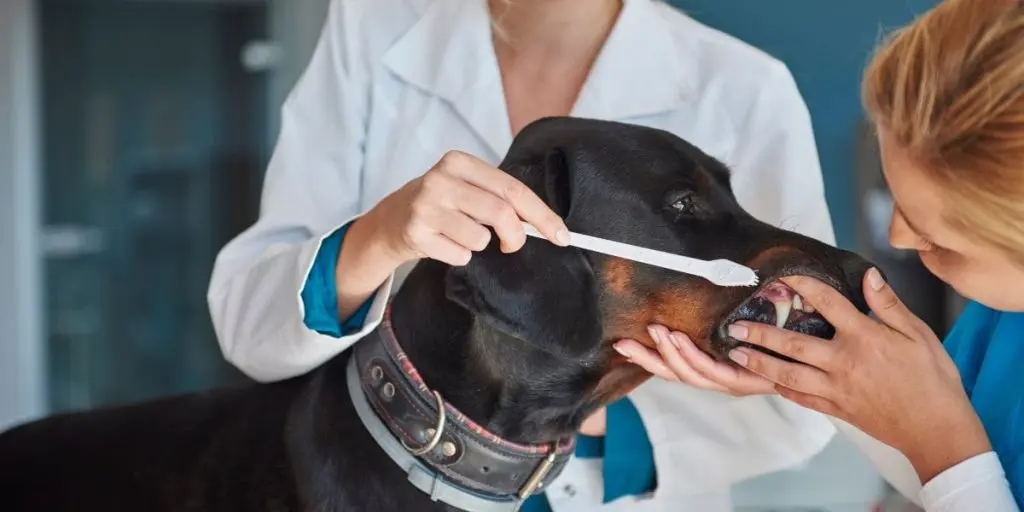
aAn owner gently lifts a dog's lip to inspect inflamed tissue, highlighting common causes of swollen gums in dogs.

Why Are Your Dog’s Gums Swollen?

Why Are Your Dog’s Gums Swollen? Noticing red, puffy gums while brushing your dog’s teeth or checking their mouth after a meal can be worrying. Mild swelling may come from trapped food or mouth irritation. It may also indicate an oral health problem that should not be ignored. If you are asking, “Why are my dog’s gums swollen?” this guide covers the common causes and warning signs. Cross Creek Animal Medical Centre, a trusted veterinary hospital, explains when swollen gums need closer attention. What Do Swollen Gums in Dogs Look Like? Healthy oral tissue should appear moist and closely attached around each tooth. It may look pink, although black or brown pigment can be normal in some dog breeds. Swelling can make the gumline around the teeth look bright red, raised, shiny, or puffy. When comparing healthy and unhealthy gums, look for signs of irritation or pain. Bleeding after chewing or excessive drooling can point to gum inflammation in dogs. Some dogs paw at their mouths, while others show little discomfort until the problem has progressed. Since visual checks can miss early signs of periodontal disease, knowing what happens during a dental exam can help you feel confident that you’re catching issues early. What Causes Swollen Gums in Dogs? For those wondering, “Why are my dog’s gums swollen?” here are some possible causes: Warning Signs You Should Not Ignore Gum swelling is not always the only clue that your dog has mouth discomfort. The following changes may point to deeper oral health problems: Even if you don’t see physical signs of swelling, keep an eye out for subtle behavioral changes in your pet, as these often serve as the first quiet cries for help regarding their oral health. How Dog Dental Care Supports Gum Health Brushing with pet-safe toothpaste is the best at-home step for daily plaque control. Dental chews may help between cleanings when used safely and appropriately. However, they should not replace brushing or dental exams. If swelling, bleeding, or mouth pain appear, professional care can identify the cause early. Veterinary Dental Treatment With Cross Creek Animal Medical Centre Understanding “Why are my dog’s gums swollen?” helps owners take oral changes seriously. Cross Creek Animal Medical Centre helps Tampa pet owners manage dental concerns with timely care. A regular teeth cleaning schedule can help reduce plaque buildup before it irritates the gums. If your dog has red or puffy gums, call (813) 994-6929 to schedule a visit with Cross Creek Animal Medical Centre in Tampa, FL.

Why Are Your Dog’s Gums Swollen? Read More »

How Often Should Dogs Get Their Teeth Cleaned

How Often Should Dogs Get Their Teeth Cleaned?

How Often Should Dogs Get Their Teeth Cleaned? Your dog’s oral health plays an important role in their overall quality of life, yet owners often wonder, “How often should dogs get their teeth cleaned?” The answer varies based on breed, size, age, and home care habits. Knowing the proper frequency for cleaning your dog’s teeth is the first step toward preventing painful, costly conditions. In this guide, Cross Creek Animal Medical Centre will walk you through what shapes cleaning schedules, signs of dental trouble, and how to support your dog’s oral health every day. Caring for Your Pet With a Veterinarian in Tampa, FL During routine visits, your vet can monitor plaque and tartar buildup in dogs and address questions like “How often should dogs get their teeth cleaned?” Consistent veterinary care also helps detect problems early before they become more serious. From preventive exams to professional cleanings, a veterinarian in Tampa, FL, can help manage dental issues early and support better long-term oral health. Regular visits also make it easier to adjust care as your dog’s needs change over time. What Determines Your Dog’s Dental Cleaning Schedule? Understanding all about dog dental care helps explain why some dogs need cleanings more often than others. These factors will help you decide the right timing for care: Warning Signs Your Dog Needs a Dental Exam Sooner Even with a solid canine dental health routine, certain symptoms mean a veterinary dental exam should not wait. If you notice any of the following signs, schedule a visit right away: Schedule Trusted Dog Dental Care at Cross Creek Animal Medical Centre Regular dental care helps protect your dog’s comfort, appetite, and long-term health. Now that you have the answer to “How often should dogs get their teeth cleaned?” consistent care matters. At Cross Creek Animal Medical Centre, professional teeth cleaning lowers the risk of serious dental disease in your furry friend. Our team focuses on preventive care that helps pets stay healthier and more comfortable over time. Finding a good vet can make routine dental care easier and more consistent for your dog. Call Cross Creek Animal Medical Centre at (813) 994-6929 to schedule a dental exam in Tampa, FL, today.

How Often Should Dogs Get Their Teeth Cleaned? Read More »

A veterinarian examines a light-colored dog on an examination table during emergency medical care at Cross Creek Animal Medical Centre.

Six Symptoms of Heart Murmur in Dogs

Six Symptoms of Heart Murmur in Dogs If your dog has seemed a little off lately, you may have already ruled out allergies or a pulled muscle. But some changes, such as tiring quickly on walks or coughing after rest, warrant a closer look from a professional.  Knowing the symptoms of a heart murmur in dogs helps you catch a potential underlying condition. Cross Creek Animal Medical Centre wants every pet owner to recognize the warning signs early. Why Routine Veterinary Exams Matter for Your Dog’s Heart Health Routine wellness visits do more than update vaccines. A thorough physical exam lets a veterinarian listen carefully and catch heart changes before symptoms develop. Murmurs often appear during a standard checkup long before owners notice anything at home.  Working with a trusted veterinarian in Tampa, Florida, gives your dog early access to diagnostics and consistent monitoring that can meaningfully improve long-term outcomes. Recognizing the Signs Your Dog May Have a Heart Murmur The warning signs of a potential heart murmur range from subtle to unmistakable, and detecting them early gives your veterinarian more options for intervention through dedicated veterinary cardiology care. 1. Persistent Coughing  A dry, recurring cough, especially at night or after light activity, can signal fluid building up in the lungs as the heart struggles to pump efficiently. 2. Exercise Intolerance  A dog that tires quickly, lags on walks, or avoids activity it once enjoyed may show the first behavioral signs of reduced cardiac output. 3. Labored or Rapid Breathing  Seek emergency veterinary care when you notice signs of respiratory distress, including: 4. Lethargy and Weakness  Sleeping more than usual, showing less interest in play, or appearing generally subdued can reflect the body compensating for a struggling heart. 5. Abdominal Swelling  Fluid accumulation in the abdomen, visible as a distended belly, typically appears in more advanced stages of heart disease. 6. Fainting or Sudden Collapse  Brief episodes of collapse followed by quick recovery, often triggered by excitement or exertion, indicate possible serious cardiac compromise. What Comes Next: Treatments and Monitoring for Canine Heart Murmurs Understanding canine heart diseases can help you predict what might come next after suspecting a heart murmur. Diagnostic steps, including an electrocardiogram, chest X-ray, and cardiac ultrasound, help your vet determine the causes and severity of your dog’s condition.  Treatments and monitoring for canine heart murmurs depend on the stage and underlying condition. Dogs without heart enlargement or clinical signs may require monitoring, while dogs with diagnosed heart disease may need treatment. Schedule a Heart Health Exam at Cross Creek Animal Medical Centre If you notice any of these symptoms of a heart murmur in your dog, don’t wait to see if they resolve. Knowing when you need to take your pet to a veterinarian can make a real difference in outcomes.  Cross Creek Animal Medical Centre offers physical exams, electrocardiograms, and cardiac diagnostics to thoroughly evaluate your dog’s heart health. Call today at (813) 994-6929.

Six Symptoms of Heart Murmur in Dogs Read More »

why is my cat breathing fast

Why Is Your Cat Breathing Fast?

Why Is Your Cat Breathing Fast? When your cat curls up beside you, are you taken aback by their loud, rapid breathing? Heavy breathing in cats can sometimes indicate a serious issue. An experienced veterinarian in Tampa, FL, can help determine the cause and recommend the right course of action. If you’re wondering, “Why is my cat breathing fast?” we have the answer. Discover common causes of rapid breathing in cats and how to care for out-of-breath felines below.  Common Reasons Why Your Cat Is Breathing Fast Cats usually take around 30 breaths per minute. If your furry companion is breathing much faster than this rate, it could be due to several issues, including: Monitor their breathing to see if it improves. In some cases, the symptoms subside within a few minutes and aren’t a major concern.  Is their respiratory rate still faster than normal while sleeping? That’s when fast breathing in cats is an emergency. Bring your kitty to an animal hospital right away for a full work-up and diagnosis.  You should also seek emergency veterinary care if they show signs of a traumatic injury or ingest a foreign object or toxic substance. Emergency care is also critical if you notice neurological distress; knowing exactly what to do if your cat has a seizure can save precious time during a medical crisis. How a Veterinarian in Tampa, FL, Supports Local Cat Owners No pet owner wants their fur baby to be sick. However, if your cat is feeling under the weather, turn to a trusted, local veterinarian for answers. Veterinary teams will do everything in their power to help a sick kitty recover.  That doesn’t mean that you should only bring your cat to the vet when they’re sick. Local pet owners should contact a veterinarian in Tampa, FL, as soon as they bring their four-legged friend home. Cats need routine veterinary care like vaccinations, wellness exams, and monitoring for common skin allergies to live long, healthy lives. Understanding the proper schedule, such as how often to vaccinate your cat, is a vital part of proactive health management that helps prevent respiratory infections and other serious illnesses. Keep up with annual visits and don’t hesitate to contact the vet when your cat’s physical or behavioral health changes.  How To Treat Rapid Breathing in Cats After asking their vet, “Why is my cat breathing fast?” most owners will follow up with “How can you treat it?” The answer depends on the cause.  For instance, rapid breathing stemming from a respiratory infection may improve with a course of antibiotics. A fast respiratory rate due to heatstroke calls for cooling the cat down. If the problem is due to heart disease in cats, your kitty may need to undergo dietary changes and begin various medications.  Consult a vet for personalized treatment options.  Bring Your Cat to Cross Creek Animal Medical Centre for Superior Care  Why is my cat breathing fast? What can I do if my cat stops eating? Is coughing normal for cats? These are among the many questions we at Cross Creek Animal Medical Centre hear from pet owners. Count on our team to give your feline the best possible care at every stage of life. We offer preventive care like vaccinations, as well as advanced therapies to treat a pet’s heart issues and other serious diseases. To book an appointment at our Tampa clinic, call (813) 994-6929 today. 

Why Is Your Cat Breathing Fast? Read More »

your cat has a seizure

What To Do If Your Cat Has a Seizure

What To Do If Your Cat Has a Seizure Whenever your cat has a sudden medical emergency like a seizure, it’s easy to panic. Seeing your beloved pet in distress is difficult enough without the added stress of not knowing what to do if your cat has a seizure. The most important thing is to remain calm and keep the cat safe until you can get help from a veterinarian in Tampa, FL. Knowing how to protect the animal until you can get professional care can make a huge difference in the outcome.  Recognizing and Responding to Seizures in Cats The symptoms of seizures in cats can vary and last for seconds or minutes. Some cats collapse and shake, while others may stare into space, drool, or make unusual chewing motions. You might also notice: Much of the best advice on what to do if your cat has a seizure contradicts common advice. Avoid putting anything into the animal’s mouth, and don’t attempt to restrain them.  Instead, seizure first aid for cats should prioritize safety. Stay calm and clear the area of hazards. Dimming the lights and reducing noise can also shorten the episode. Time the seizure and note the details, including the cat’s behavior and what was happening before it started. After a seizure, many cats seem disoriented, restless, or tired. This “post-seizure” phase can last for several hours. Gently comfort them, then call the veterinarian or head to the emergency clinic.  When To Seek Emergency Care for Cat Seizures Some situations require emergency care for cat seizures. Call your veterinarian if: Prompt veterinary treatment for cat seizures can prevent serious complications and protect brain health. Common Causes of Cat Seizures Feline seizures are often a symptom of an underlying issue. Epilepsy is a common culprit, but don’t overlook toxins, head injuries, or even cat food allergies. Metabolic issues such as low blood sugar or infections can also trigger them.  The Importance of Preventive Care From a Veterinarian in Tampa, FL Keeping your cat healthy goes beyond managing crises; it’s about building a solid foundation through general pet wellness and preventive care. Regular check-ups catch issues early and enable you to take preventive steps like vaccinations and dental cleanings to ward off health issues.  Establishing a relationship with a veterinarian in Tampa, FL, also helps you spot subtle changes in your pet’s health and know when something is an emergency. Seeing the same doctor regularly allows for faster, more accurate decisions if your cat ever has a health emergency. Cross Creek Animal Medical Centre Is Here To Help Knowing what to do if your cat has a seizure gives you confidence in the moment, but finding a good veterinarian for ongoing care is just as important. If you ever have concerns or need guidance, Cross Creek Animal Medical Centre is here to help. Call (813) 994-6929 to schedule an appointment.

What To Do If Your Cat Has a Seizure Read More »

skin allergies in dogs

What Causes Skin Allergies in Dogs?

What Causes Skin Allergies in Dogs? If you ask a veterinarian what causes skin allergies in dogs, they may suggest several possible irritants. Understanding the causes of skin itchiness, redness, and inflammation is key to managing contact allergens in household environments. Discover some common environmental triggers for canine dermatitis and the importance of treating your dog’s allergies.  Why Bring Your Dog to a Veterinarian in Tampa, FL, for Routine Care? Every dog owner in Hillsborough County should have a reliable veterinarian in Tampa, FL, that they can turn to. Veterinary care teams keep canines healthy from the time they are young puppies until they become senior dogs. Preventive care is crucial, as dogs need various vaccines throughout their life and may develop health problems as they age.  Annual vet check-ups allow dogs to stay up to date on their vaccines and give pet owners the opportunity to discuss any new health concerns. For example, if your dog is constantly scratching their ears and the skin underneath is red or flaky, your vet can evaluate the area and recommend treatment plans.      Common Causes of Canine Dermatitis Although not every animal will have an allergic reaction, many pet allergens can irritate their skin. Rashes, itchiness, hair loss, and redness are common symptoms of canine dermatitis. But what causes skin allergies in dogs? The top culprits include: Give your dog the proper medication to prevent the signs of flea allergy dermatitis in pets. Avoiding seasonal pollen and mold allergies in canines can be more difficult. Be wary of certain environmental triggers and try to limit your dog’s exposure if you notice an allergic reaction. While minor reactions can sometimes be managed at home, it is important to understand exactly when to take your dog to the vet for a professional evaluation to prevent secondary skin infections. For example, if there is a lot of pollen around your favorite dog park each spring, your pet may have an allergic reaction. Let them exercise in an area with minimal pollen to reduce the risk of skin irritation.  How To Treat a Dog’s Allergy Symptoms Veterinarians may recommend a few different treatment options for dogs dealing with skin allergies. Various medications are available to reduce itchiness, prevent infections, and ease inflammation. Anti-itch sprays and medicated shampoos provide some relief after the animal comes in contact with a skin irritant or is exposed to an environmental allergen.  What if a dog’s skin rash is related to the food they eat? Identifying food allergies in senior dogs and young pups alike can be a challenge. If you recently changed your dog’s diet and notice their skin becoming red or itchy, they may be allergic to one of the ingredients in their food.  Your vet may recommend a hypoallergenic diet for your pet to try for a few weeks. If their skin condition doesn’t improve, the reaction may not be due to their food.  Give Your Dog Top-Notch Care at Cross Creek Animal Medical Centre  Knowing what causes skin allergies in dogs can help you identify triggers and limit your pup’s exposure. However, you’ll still need a good vet standing by if they develop other health issues. Bring your fur baby to Cross Creek Animal Medical Centre for superior preventative and emergency care.  Call (813) 994-6929 today to make an appointment for your dog. 

What Causes Skin Allergies in Dogs? Read More »