
Published: March 27, 2026 | Reviewed: March 27, 2026
Six Symptoms of Heart Murmur in Dogs
If your dog has seemed a little off lately, you may have already ruled out allergies or a pulled muscle. But some changes, such as tiring quickly on walks or coughing after rest, warrant a closer look from a professional.
Knowing the symptoms of a heart murmur in dogs helps you catch a potential underlying condition. Cross Creek Animal Medical Centre wants every pet owner to recognize the warning signs early.
Why Routine Veterinary Exams Matter for Your Dog’s Heart Health
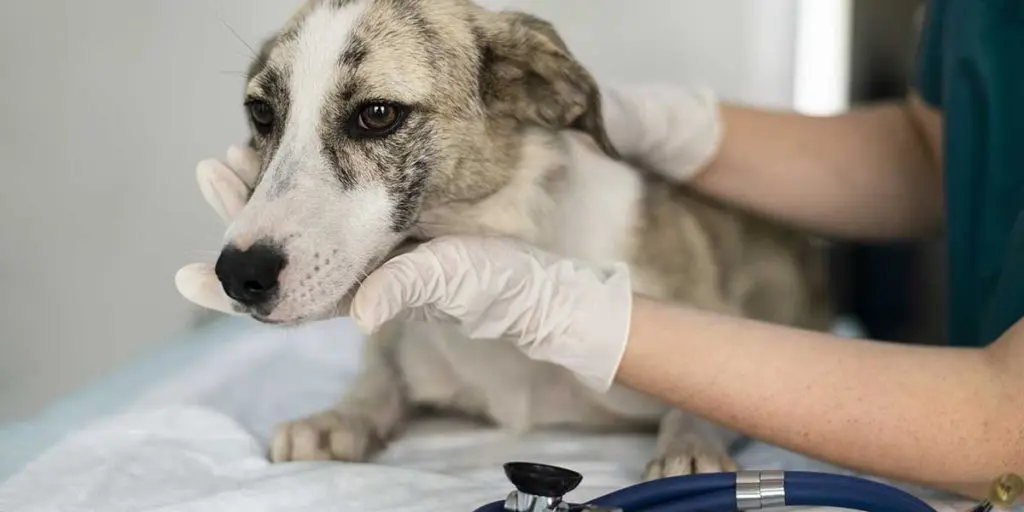
Routine wellness visits do more than update vaccines. A thorough physical exam lets a veterinarian listen carefully and catch heart changes before symptoms develop. Murmurs often appear during a standard checkup long before owners notice anything at home.
Working with a trusted veterinarian in Tampa, Florida, gives your dog early access to diagnostics and consistent monitoring that can meaningfully improve long-term outcomes.
Recognizing the Signs Your Dog May Have a Heart Murmur
The warning signs of a potential heart murmur range from subtle to unmistakable, and detecting them early gives your veterinarian more options for intervention through dedicated veterinary cardiology care.
1. Persistent Coughing
A dry, recurring cough, especially at night or after light activity, can signal fluid building up in the lungs as the heart struggles to pump efficiently.
2. Exercise Intolerance
A dog that tires quickly, lags on walks, or avoids activity it once enjoyed may show the first behavioral signs of reduced cardiac output.
3. Labored or Rapid Breathing
Seek emergency veterinary care when you notice signs of respiratory distress, including:
- Increased breathing rate at rest
- Heavy panting without exertion
- Open-mouth breathing
4. Lethargy and Weakness
Sleeping more than usual, showing less interest in play, or appearing generally subdued can reflect the body compensating for a struggling heart.
5. Abdominal Swelling
Fluid accumulation in the abdomen, visible as a distended belly, typically appears in more advanced stages of heart disease.
6. Fainting or Sudden Collapse
Brief episodes of collapse followed by quick recovery, often triggered by excitement or exertion, indicate possible serious cardiac compromise.
What Comes Next: Treatments and Monitoring for Canine Heart Murmurs
Understanding canine heart diseases can help you predict what might come next after suspecting a heart murmur. Diagnostic steps, including an electrocardiogram, chest X-ray, and cardiac ultrasound, help your vet determine the causes and severity of your dog’s condition.
Treatments and monitoring for canine heart murmurs depend on the stage and underlying condition. Dogs without heart enlargement or clinical signs may require monitoring, while dogs with diagnosed heart disease may need treatment.
Schedule a Heart Health Exam at Cross Creek Animal Medical Centre
If you notice any of these symptoms of a heart murmur in your dog, don’t wait to see if they resolve. Knowing when you need to take your pet to a veterinarian can make a real difference in outcomes.
Cross Creek Animal Medical Centre offers physical exams, electrocardiograms, and cardiac diagnostics to thoroughly evaluate your dog’s heart health. Call today at (813) 994-6929.