
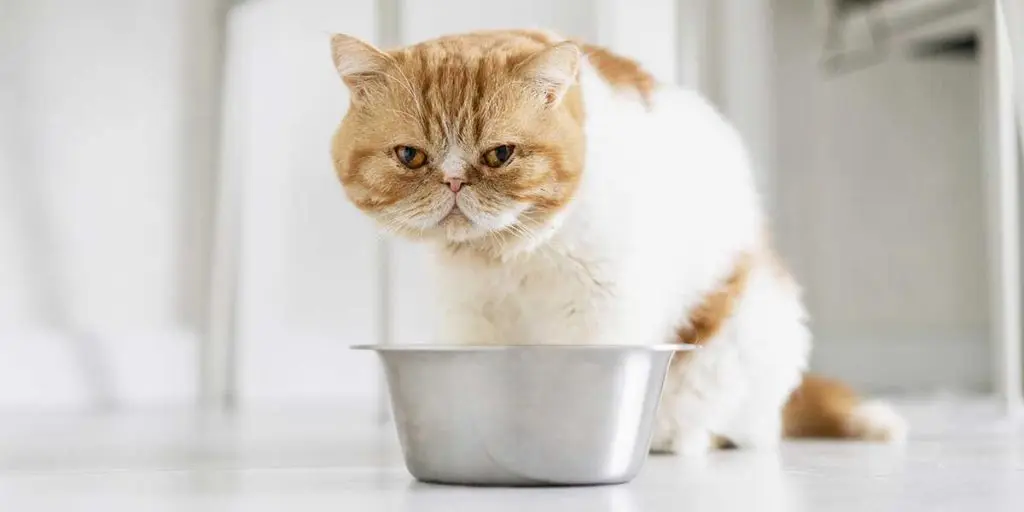
Published: June 24, 2026 | Reviewed: June 24, 2026
When Is a Cat Not Eating an Emergency?
You set down your cat’s favorite food, and they walk away without a second glance. Because cats hide illness so well, a sudden change in eating habits is concerning, but when is your cat not eating considered an emergency? Learn more from Cross Creek Animal Medical Centre’s veterinarian in Tampa, FL.
When a Cat Not Eating Becomes Serious
When a cat stops eating, stored fat for energy floods the liver faster than it can process it. This can trigger hepatic lipidosis, or fatty liver disease, after several days of little or no food.
Kittens and senior cats tend to decline quickly without food. Even one missed meal deserves your attention.
Signs To Watch For
At what point is your cat not eating considered an emergency? The general rule is that any cat refusing all food for more than 24 hours needs veterinary care. A single skipped meal in an otherwise happy, active cat usually is not a crisis, but a full day without eating can be.
Seek prompt treatment for your feline if you notice any of the following symptoms before the 24-hour mark:
- Rapid breathing: Your cat is struggling to catch their breath.
- Discolored gums: The cat’s gums or the whites of the eyes look yellow or bluish.
- Straining in the litter box: Your cat tries to urinate but passes little or no urine, which could indicate a urinary obstruction, particularly in male cats.
- Extreme weakness or hiding: Your cat seems limp, disoriented, or more reclusive than usual.
- Repeated vomiting or diarrhea: Your cat has an upset stomach.
Any of these signs, along with a refusal to eat, can point to an underlying health condition that needs prompt evaluation.
What Causes a Loss of Appetite in Cats?
Mouth pain is a common culprit of appetite loss, and it helps to learn the signs of dental issues in cats. Stress, another new pet, or even a change in food texture can also make a sensitive cat turn up their nose to food. More serious causes of a lack of appetite may include kidney disease, pancreatitis, infections, and intestinal blockages.
How To Help Your Cat Before Seeing a Vet
While you arrange care, small steps can keep your cat more comfortable and reduce the risk of dehydration that often follows missed meals.
Try offering a spoonful of warm, strong-smelling food they have enjoyed before, since warming it boosts the aroma. Keep fresh water in several spots around the home. Never force food into your cat’s mouth.
If they still refuse after a calm attempt, stop and call your vet for instructions.
When Cross Creek Animal Medical Centre Can Help
When is your cat not eating considered an emergency? A full day without food or any meal refusal, paired with serious symptoms, calls for quick action.
Cross Creek Animal Medical Centre provides compassionate veterinary care for cats and dogs. Call (813) 994-6929 to schedule an appointment in Tampa, FL. Our tips for getting your cat to the vet may make the trip calmer for both of you.